
No results found. Please try another keyword
The most crucial fastening and connecting components in the aluminum formwork system, achieving rigid connections through the pin-through-plate and pin-plate wedging method.
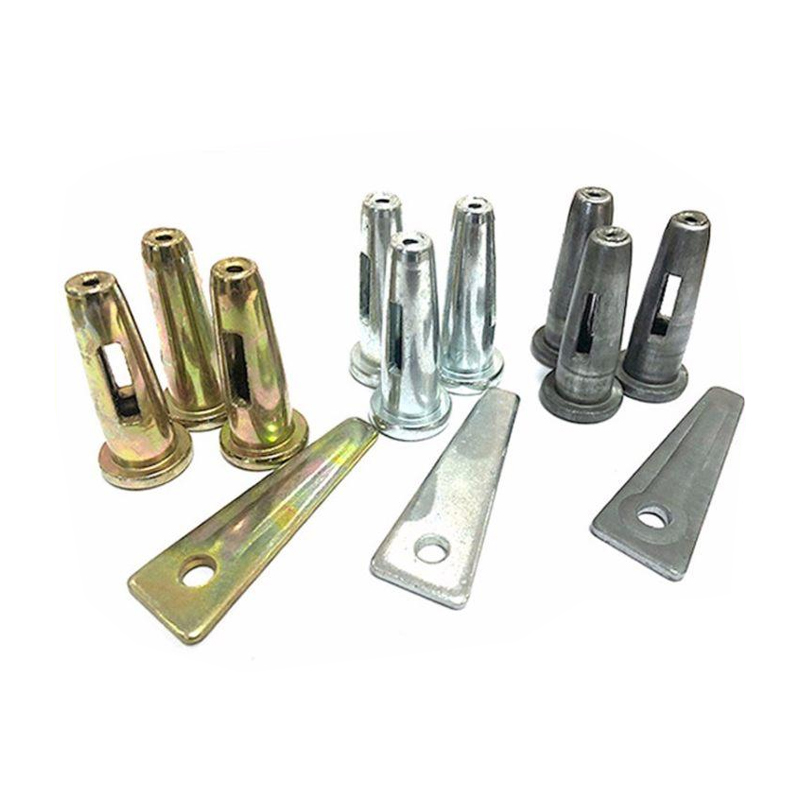
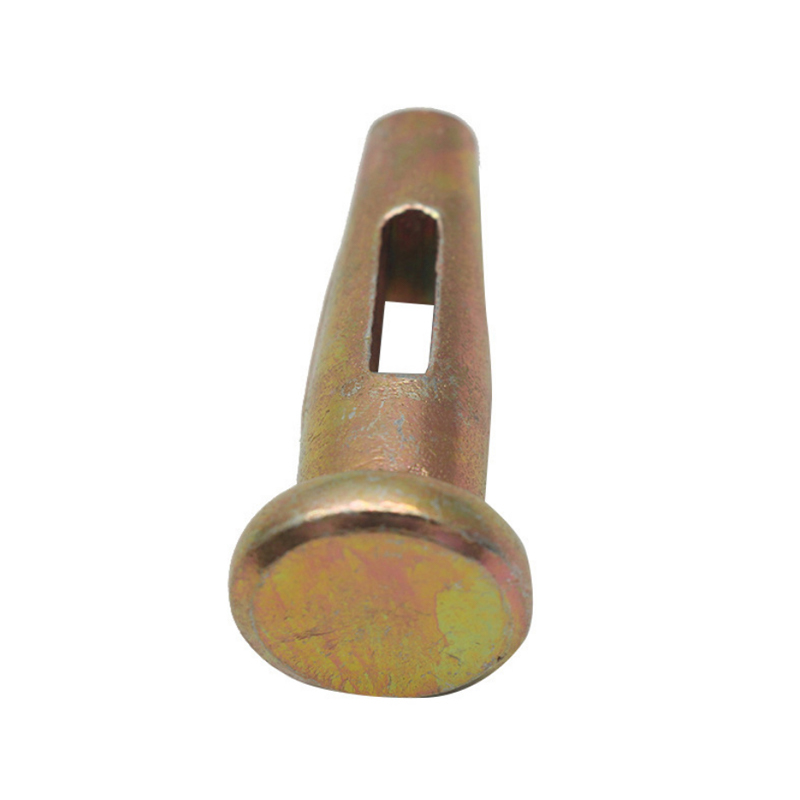
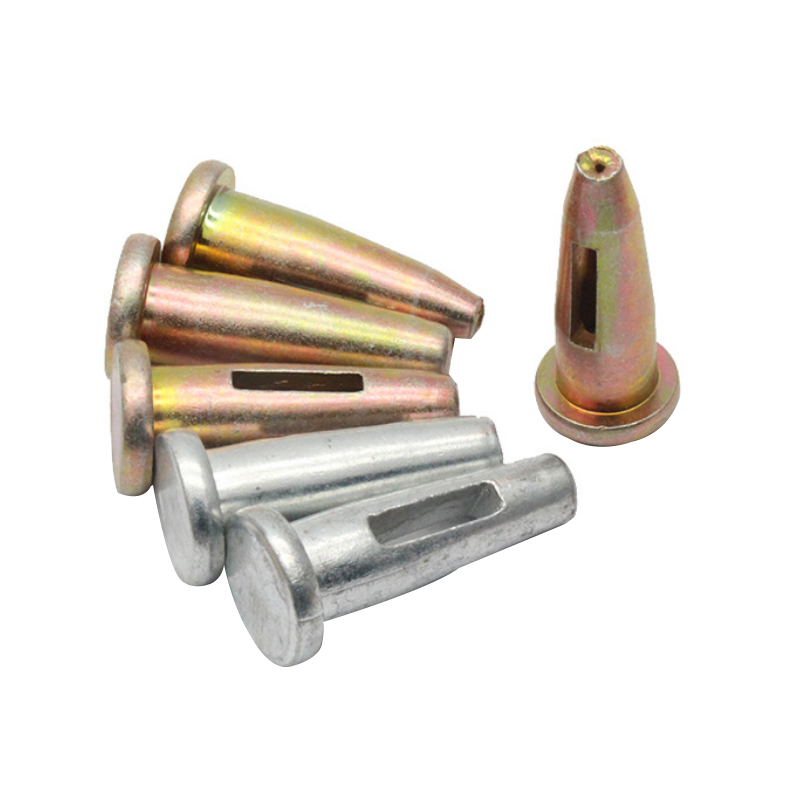
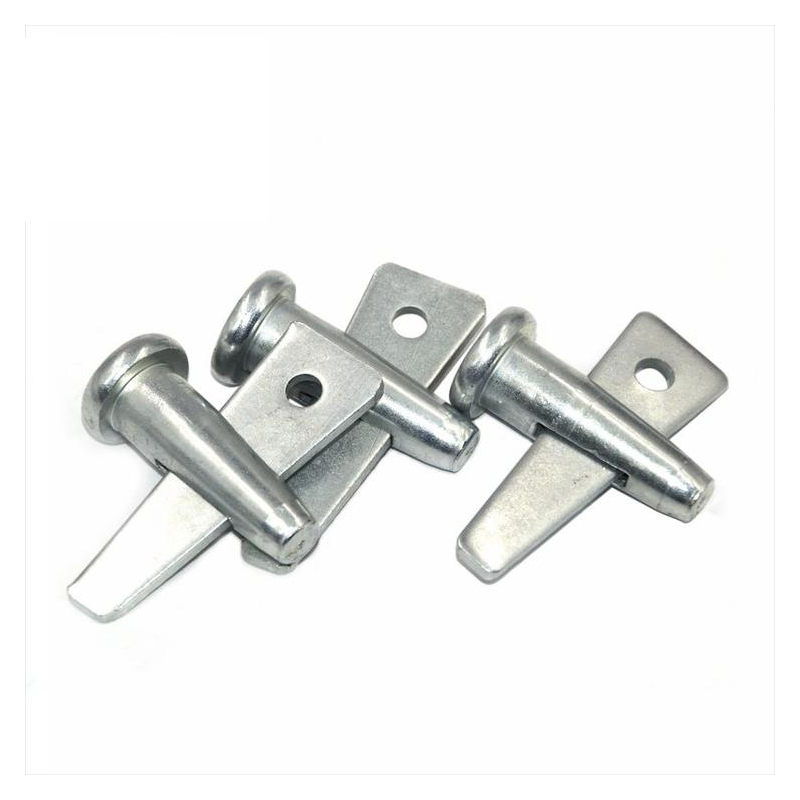
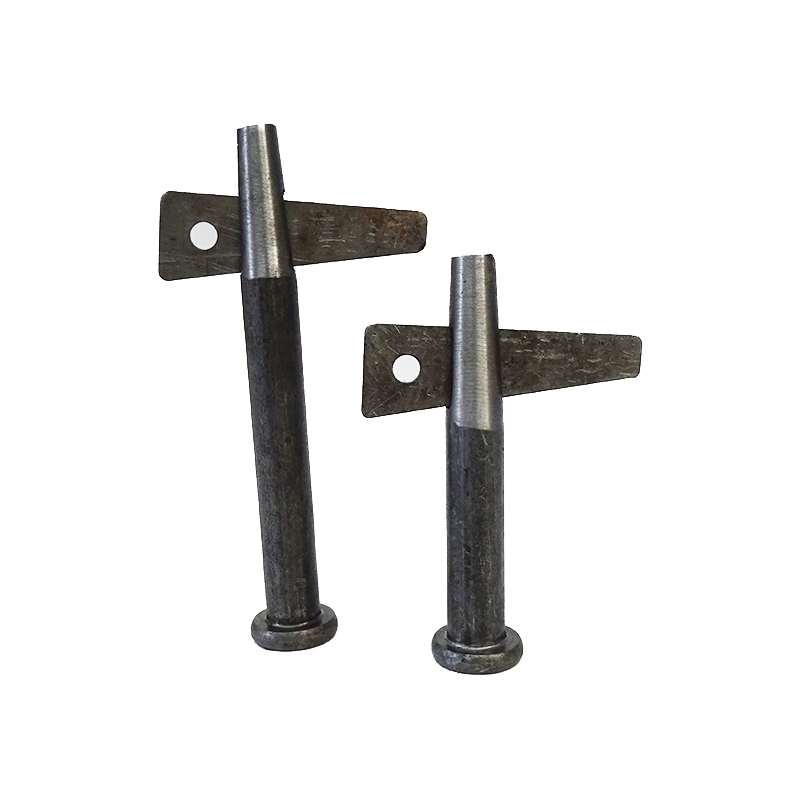
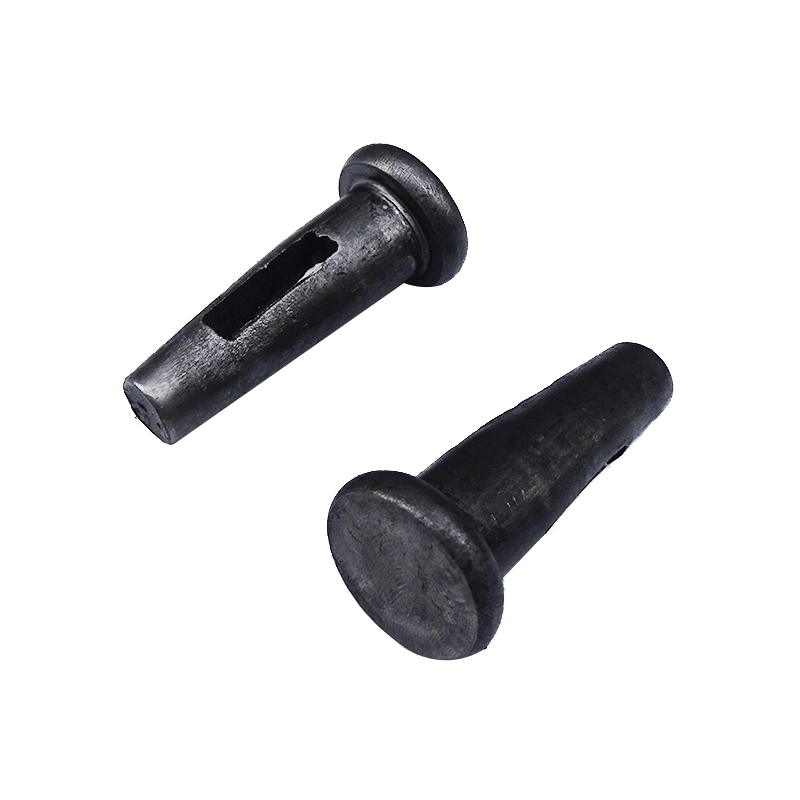
Pins and pin plates are the most crucial fastening and connecting components in the aluminum formwork system. They achieve rigid connections between formworks through the pin-through-plate and pin-plate wedging method, which is a key accessory for ensuring overall rigidity, preventing bulging, and maintaining the accuracy of the formed shape.
Design note: The pin is composed of a pin cap and a pin rod with a transverse long hole for inserting the pin plate. The wedge-shaped pin plate self-locks after being knocked in.
RIGID CONNECTION
Pin-through-plate plus wedge locking creates a rigid formwork joint that prevents bulging.
SELF-LOCKING WEDGE
Wedge-shaped pin plate with U-shaped or straight slots self-locks after being knocked in.
Standard pins are Φ16 x 52 mm and Φ16 x 54 mm, suitable for standard aluminum formwork. Extended pins Φ16 x 83 mm, Φ16 x 100 mm, and Φ16 x 140 mm are used for thick plates, back ribs, and square tube connections.
Standard pin plates are 3.0 x 70 mm and 3.5 x 70 mm. Arc or bent pin plates are easier to tighten and prevent loosening due to vibration, suitable for smooth formwork surfaces.
✓ Rigid formwork joint
Pin-through-plate with wedge locking.
✓ Prevents bulging
Keeps formed shape accuracy.
✓ High strength
Q235B / 45# steel forming.
✓ Self-locking wedge
Pin plate locks after knocking in.
01 / ALUMINUM FORMWORK
Fast and secure connection of aluminum formwork panels.
02 / CONSTRUCTION
Connecting and fixing stone, brick walls, concrete and formwork.
03 / FURNITURE
Uniting bed frames, chairs, sofas and furniture panels.
04 / MACHINERY
Connecting drive shafts, exhaust pipes and hydraulic cylinders.
05 / DOOR & WINDOW FRAMES
Securing frames and wooden products with ease.
06 / TRANSPORTATION
Reliable connection and fixation in vehicles, airplanes and trains.
| Material Type | Characteristics | Typical Finish |
|---|---|---|
| Q235B Steel | Solid cold heading forming with high strength and good toughness. | Plain / zinc |
| 45# Steel | Higher strength carbon steel for pins and pin plates. | Zinc / zinc chromate |
| Other Materials | Copper, stainless steel, and aluminum options available. | Per specification |
Plain / Natural
Natural color surface for general formwork use.
Zinc Plating
Galvanized surface for improved anti-rust protection.
Zinc Chromate
Chromate passivated zinc finish with anti-rust performance.
Custom Coating
Special finishes available on request.
Pin Structure
Pin cap and pin rod with a transverse long hole for inserting the pin plate.
Pin Plate Wedge
Wedge-shaped plate with U-shaped or straight slots; self-locking after knocking in.
Standard & Extended Pins
Standard Φ16 x 52 / 54 mm; extended 83 / 100 / 140 mm for thick sections.
Arc / Bent Pin Plates
Easier to tighten and prevent loosening due to vibration.
Quality note: Pin plates are stamped and hardened to HRC 38-42 for stable wedging and long service life.
Φ16 x 52 / 54 mmΦ16 x 83 / 100 / 140 mmPin Plate 3.0 / 3.5 x 70 mmQ235B / 45# SteelHRC 38 - 42Plain / Zinc
| Component | Size | Note |
|---|---|---|
| Standard Pin | Φ16 x 52 / 54 mm | Most commonly used |
| Extended Pin | Φ16 x 83 / 100 / 140 mm | Thick plates / back ribs |
| Standard Pin Plate | 3.0 / 3.5 x 70 mm | Most commonly used |
| Arc / Bent Pin Plate | Custom | Anti-loosening for smooth surfaces |
Common sizes are listed above. Other diameters, lengths, and materials are available on request.
Kraft boxes
With inner partitions, thread protection and full labeling.
Bulk cartons
Five-layer corrugated, waterproof sealed and strapped.
Pallets / wooden cases
ISPM-15 heat treatment certification available.
Resealable polybags
For samples and low-volume orders.
VCI anti-rust packaging
For long-distance overseas shipment.
Custom OEM packaging
Labels, barcodes and packaging; MOQ may apply.
01 Raw Material Inspection
02 Wire Drawing
03 Cold Heading (Pin)
04 Stamping (Pin Plate)
05 Slot / Hole Forming
06 Heat Treatment
07 Surface Treatment
08 Dimensional Inspection
09 Hardness Test
10 Wedge Fit Check
11 Packaging & Labeling
12 Outgoing QC
Dimensional inspection
Pin diameter, length, slot position and pin plate size per drawing.
Hardness testing
Pin plate hardness verified at HRC 38-42.
Wedge fit check
Pin plate insertion and self-locking verified by sample test.
Coating check
Zinc or chromate coating quality and thickness verified.
Material certificate
Chemical composition and heat/lot traceability on request.
Final verification
100% visual inspection, packaging check and traceability.
1. How do pins and pin plates connect formwork?
The pin passes through the plate, and the pin plate is wedged into the transverse slot to create a rigid connection.
2. What sizes are standard?
Standard pins are Φ16 x 52 / 54 mm; extended pins Φ16 x 83 / 100 / 140 mm. Pin plates are 3.0 / 3.5 x 70 mm.
3. What material is used?
Q235B or 45# steel. Pins are formed by solid cold heading, and pin plates by stamping.
4. What is the pin plate hardness?
Pin plates are hardened to HRC 38-42 for stable wedging.
5. What surface treatments are available?
Plain natural color, zinc plating, and zinc chromate anti-rust finishes.
6. Where else are they used?
Construction, furniture, machinery, door and window frames, and transportation industries.