
No results found. Please try another keyword
Precision casting part for support systems.
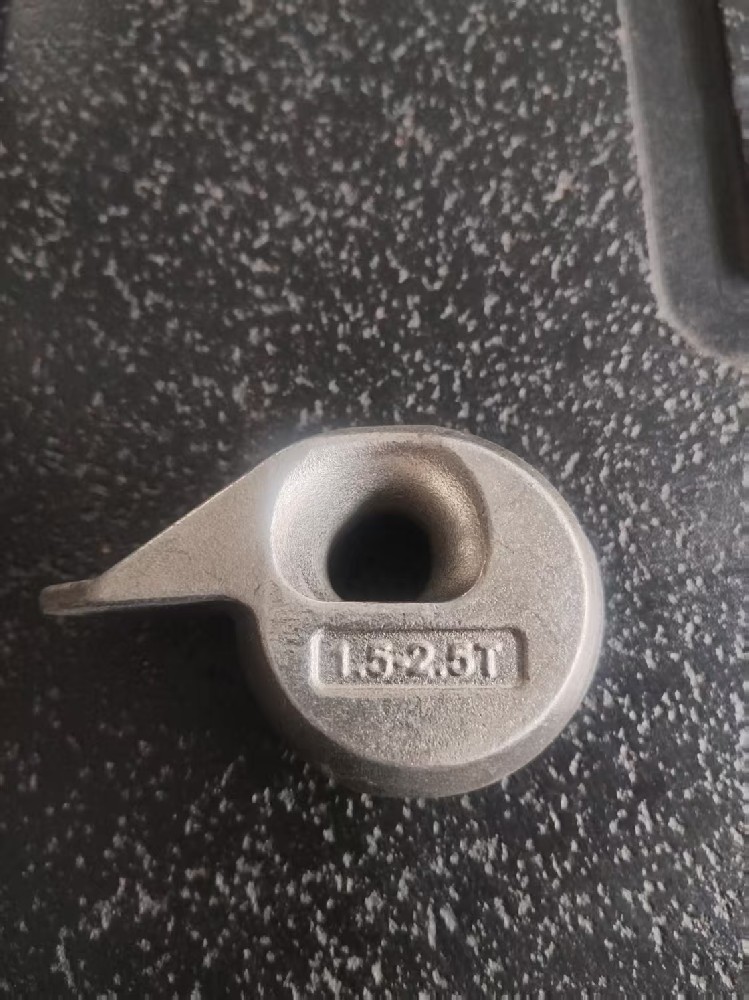
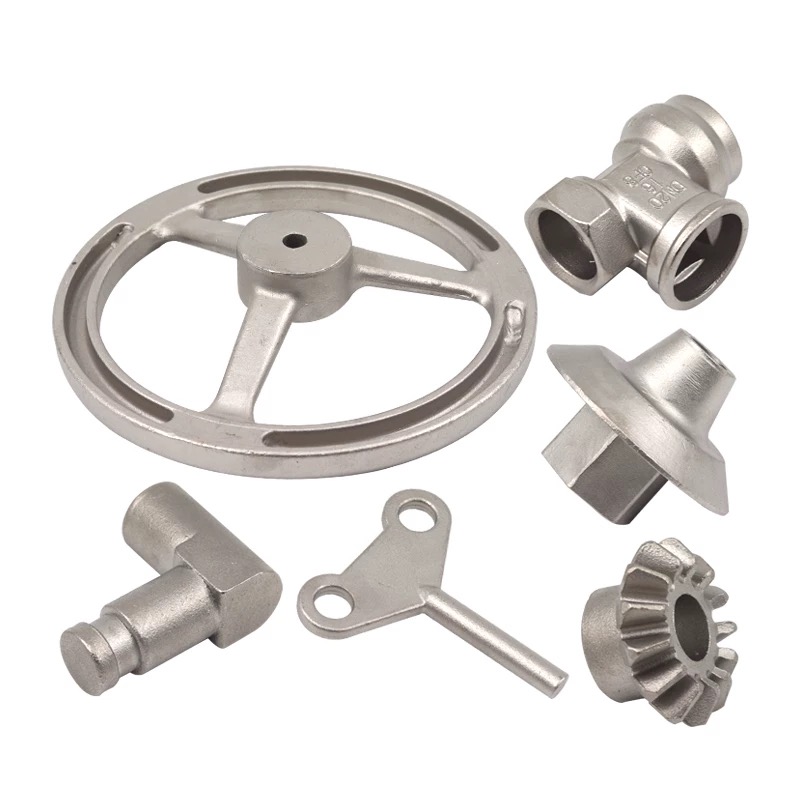
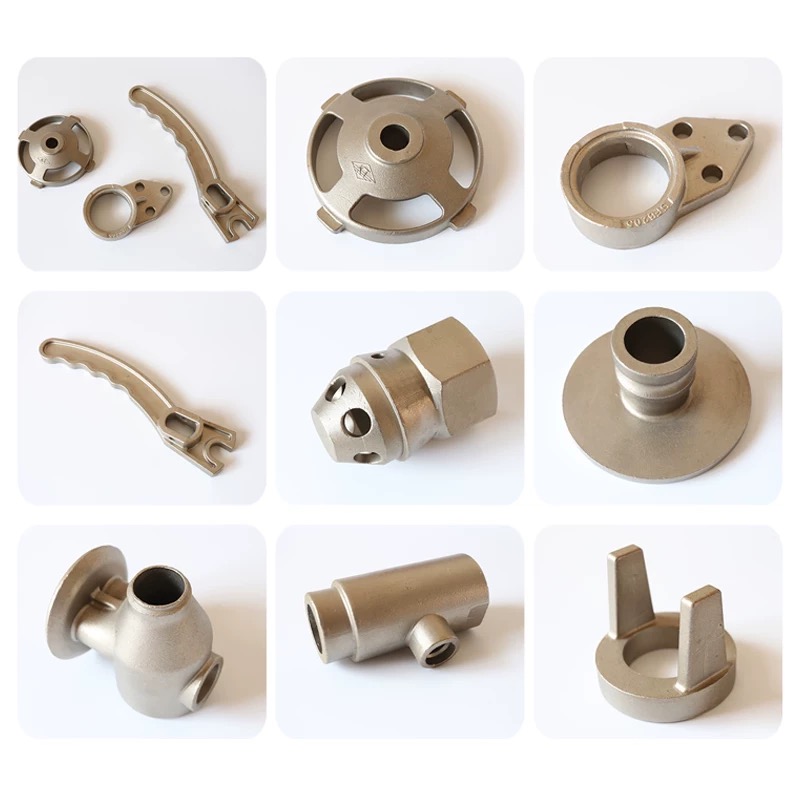
Product Name: Customized Processed Fasteners
Raw Materials: Various grades of titanium, nickel-based alloys, duplex and super duplex stainless steels used for customized pipe production, such as: Ti Gr1, Gr2, Alloy 600, 625, 690, 800, 825, 800H, C-22, C-276, 400, Alloy 20, Duplex 2205, Super Duplex 2507, 904L, S31254, etc.
Dimensions: Can be customized or made according to your drawings
Samples: Samples available
Tolerance: ±0.01 mm to ±0.005 mm
Testing Equipment: CMM (Coordinate Measuring Machine); Tool Microscope; Multi-joint Arm; Automatic Height Gauge; Manual Height Gauge; Micrometer; Granite Surface Plate; Roughness Measurement
Logo: Customizable logo
Surface Treatment: Anodizing, Passivation, Polishing, Plating, Painting, Blackening, Powder Coating, Brushing, Heat Treatment, Surface Phosphating, Hot-dip Galvanizing, Dacromet Surface Treatment, etc.
Color: Silver, Black, Gold, Red, Green, Blue, Purple, etc.
File Formats: SolidWorks, Pro/E, AutoCAD (DXF, DWG), PDF, TIF, JPG, etc.
Services: OEM/ODM, Engineering Design Consulting, Assembly, Surface Treatment, Material Procurement, Customized Packaging Services, etc.
Quality System: ISO9001, SGS, TUV
Castings refer to parts or blanks obtained by melting metal into a liquid state, pouring it into a mold (casting mold), and allowing it to cool and solidify. This is one of the most fundamental and widely used metal processing techniques.
Key Characteristics
· Advantages: Capable of producing parts with extremely complex shapes (such as engine blocks with internal cavities), ranging in size from a few grams to hundreds of tons; relatively high production efficiency, and generally lower cost than forgings.
· Disadvantages: May have internal defects such as porosity or sand holes; density is lower than that of forgings; mechanical properties (e.g., tensile strength) are generally inferior to those of the same material when forged.
Main Process Types
· Sand Casting: Uses sand to make the mold. Low cost, widest application range, but results in a rough surface and general precision.
· Precision Casting (Investment Casting): Uses wax to make the pattern. Smooth surface, extremely high precision, suitable for small, high-value parts like aviation blades and surgical instruments.
· Die Casting: Liquid metal is forced into a metal mold at high pressure and high speed. Very high efficiency, but equipment is expensive, prone to internal porosity, and parts generally cannot be heat-treated.
· Centrifugal Casting: Liquid metal is poured into a rapidly rotating mold. Produces a dense structure, specifically used for manufacturing tubular parts (e.g., cast iron pipes, cylinder liners).
Common Materials
Commonly used materials include gray cast iron (good vibration damping, machine tool bases), ductile iron (high strength, crankshafts), cast steel (for heavy load-bearing applications), aluminum alloys (lightweight, automotive wheels), and copper alloys (wear-resistant, valves).