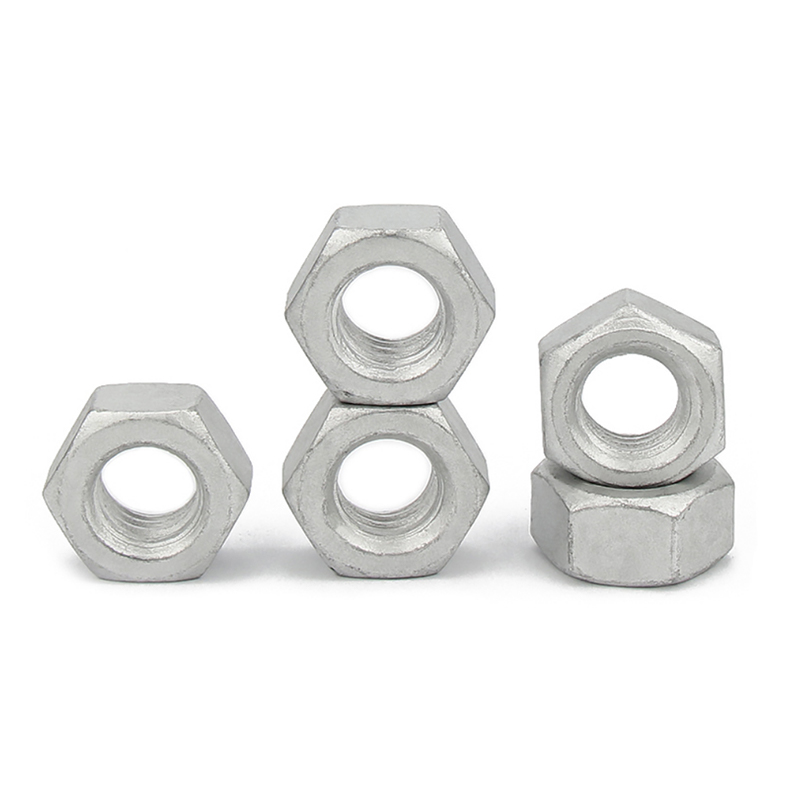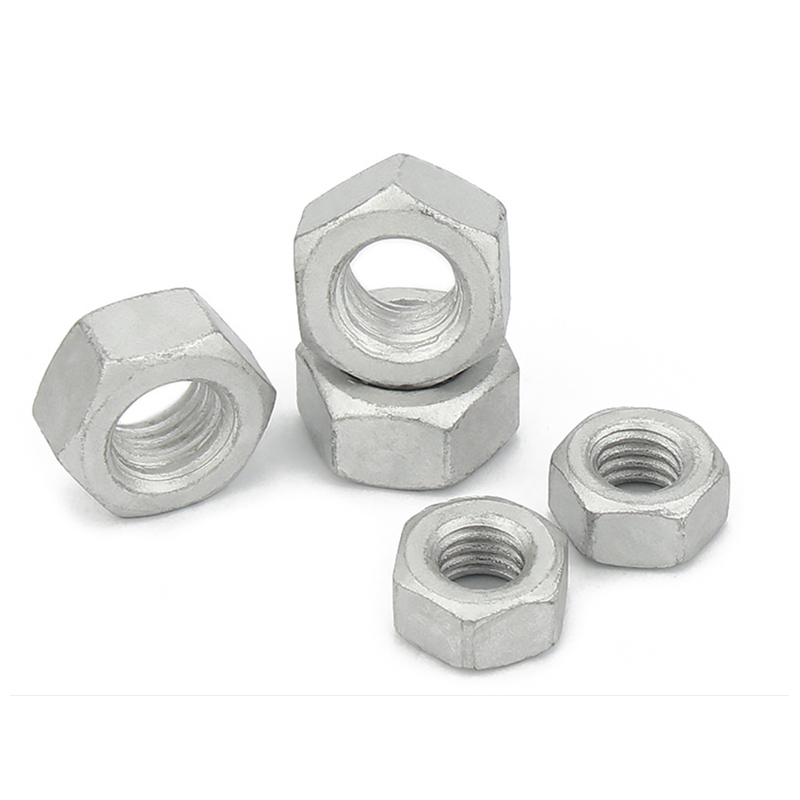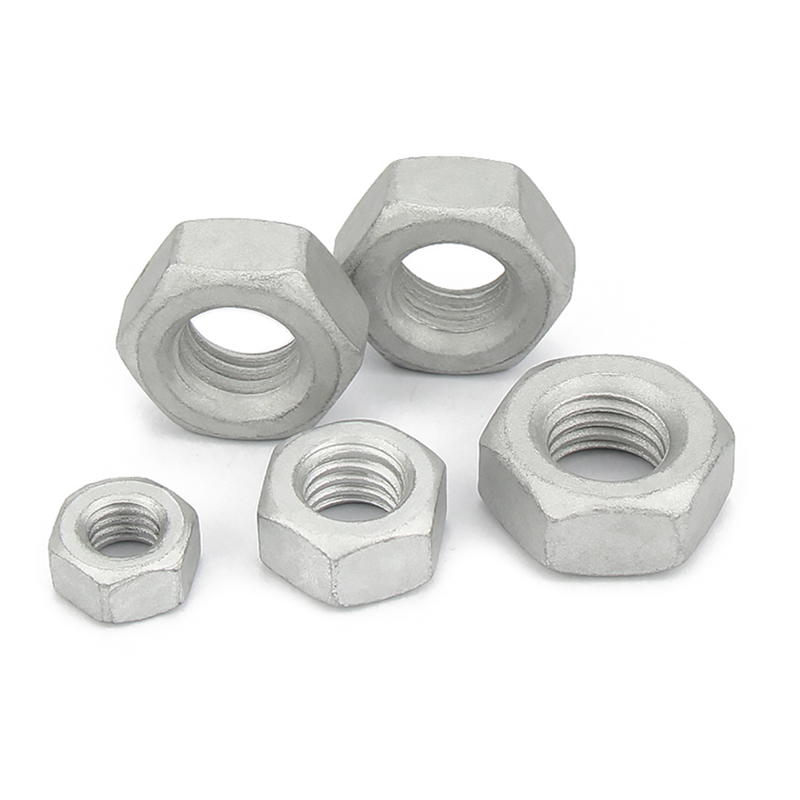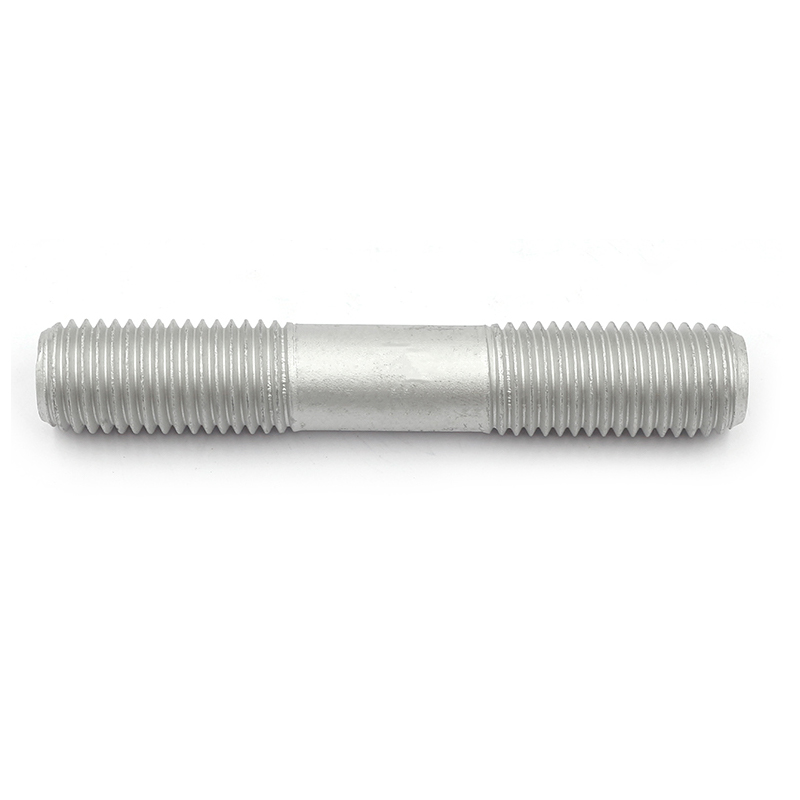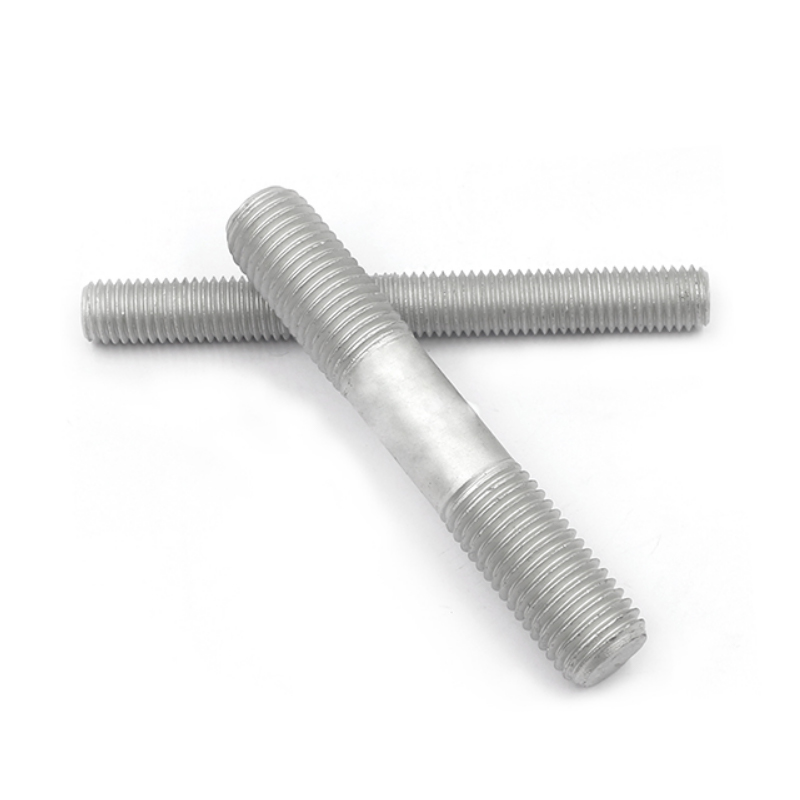

Corrosion is more than a cosmetic problem. It can weaken critical components, increase maintenance costs, shorten service life, and create safety risks in industries such as automotive manufacturing, renewable energy, construction, rail, and power transmission. For engineers and buyers, choosing the right surface treatment is therefore an important part of product design and supply chain planning.
Dacromet coating is one of the technologies frequently selected when conventional zinc electroplating does not provide enough protection. Also commonly described as a zinc-aluminum flake coating or zinc flake coating, Dacromet is widely used to improve the corrosion resistance of steel fasteners and other industrial metal parts.
What Is Dacromet Coating?
Dacromet is a non-electrolytic surface treatment that typically uses a dispersion of zinc and aluminum flakes together with an inorganic binder. The coating is applied to a prepared metal surface by processes such as dip-spin, spraying, or similar methods. The part is then cured at an elevated temperature, allowing the coating to form a protective layer.
The zinc flakes provide sacrificial corrosion protection. This means they can corrode preferentially and help protect the underlying steel, even when the coating is scratched or damaged. The aluminum flakes contribute additional barrier protection and can improve heat resistance. Together, the overlapping flakes create a dense coating that helps prevent moisture, oxygen, and corrosive elements from reaching the substrate.
Unlike electroplated zinc, Dacromet does not rely on an electrolytic deposition process. This distinction is particularly important for high-strength fasteners, where hydrogen embrittlement is a major concern. Dacromet helps avoid the hydrogen embrittlement risk commonly associated with electroplating, making it suitable for applications where both strength and corrosion protection are critical.
Why Engineers Choose Dacromet
The main advantage of Dacromet coating is its ability to combine corrosion protection with other performance requirements. In suitable applications, it can deliver strong salt spray resistance, good heat resistance, and uniform coverage on complex shapes. Because the process can coat threads, recesses, and difficult geometries, it is well suited to fasteners and stamped components.
Dacromet coatings are also relatively thin compared with some alternative protection systems. A thinner coating can help maintain thread fit, reduce dimensional changes, and support predictable assembly. The exact coating thickness, friction characteristics, and torque-tension performance should always be specified according to the application and relevant industry standard.
Another important advantage is the availability of chromium-free Dacromet systems. Traditional zinc flake coatings may use chromium-based chemistry, but modern formulations increasingly focus on lower environmental impact. Buyers should confirm compliance with applicable regulations such as REACH, RoHS, and ELV, and request test reports from the coating supplier.
Common Applications
Dacromet is commonly used in automotive fasteners, springs, chassis hardware, brake system components, and other parts exposed to moisture, road salt, and temperature changes. It is also found in power transmission hardware, wind turbine components, solar mounting systems, bridge bolts, offshore equipment, railway parts, agricultural machinery, and construction equipment.
In many of these applications, the cost of replacing a failed component is far higher than the cost of the coating itself. Long service life, lower maintenance requirements, and consistent corrosion protection can therefore provide significant value over the life of the product.
Dacromet Compared With Zinc Electroplating
Zinc electroplating remains a cost-effective option for many general applications. However, Dacromet often provides stronger corrosion protection, better heat resistance, and a lower risk of hydrogen embrittlement in high-strength fasteners. On the other hand, Dacromet usually requires high-temperature curing, which may not be suitable for every substrate. Some applications may also require a topcoat to improve chemical resistance, abrasion resistance, or appearance.
The choice between Dacromet and electroplating should not be based on corrosion performance alone. Engineers should also consider the base material, part geometry, tightening behavior, operating temperature, chemical exposure, expected service life, and applicable quality standards.
What Buyers Should Specify
When sourcing Dacromet-coated parts, buyers should define the substrate, strength grade, required salt spray duration, coating thickness or weight, friction coefficient, torque-tension requirements, operating temperature, and any required topcoat. It is equally important to specify the test standard and acceptance criteria.
A qualified coating supplier should provide process control data, coating thickness measurements, salt spray test results, torque-tension reports, and material compliance documentation. These details help prevent inconsistent performance between production batches and support long-term quality control.
The Future of Dacromet Coating
As industries demand longer-lasting components, lower maintenance costs, and more environmentally responsible production, zinc-aluminum flake coatings are likely to remain an important part of metal protection. Continued development of chromium-free systems, improved topcoats, and more precise process control will expand the range of applications where Dacromet can be used.
Dacromet is not a universal replacement for every surface treatment. It is, however, a proven solution when engineers need strong corrosion resistance, heat resistance, uniform coverage, and protection for high-strength fasteners.