
No results found. Please try another keyword
Bolt solution for mining and heavy engineering scenes.
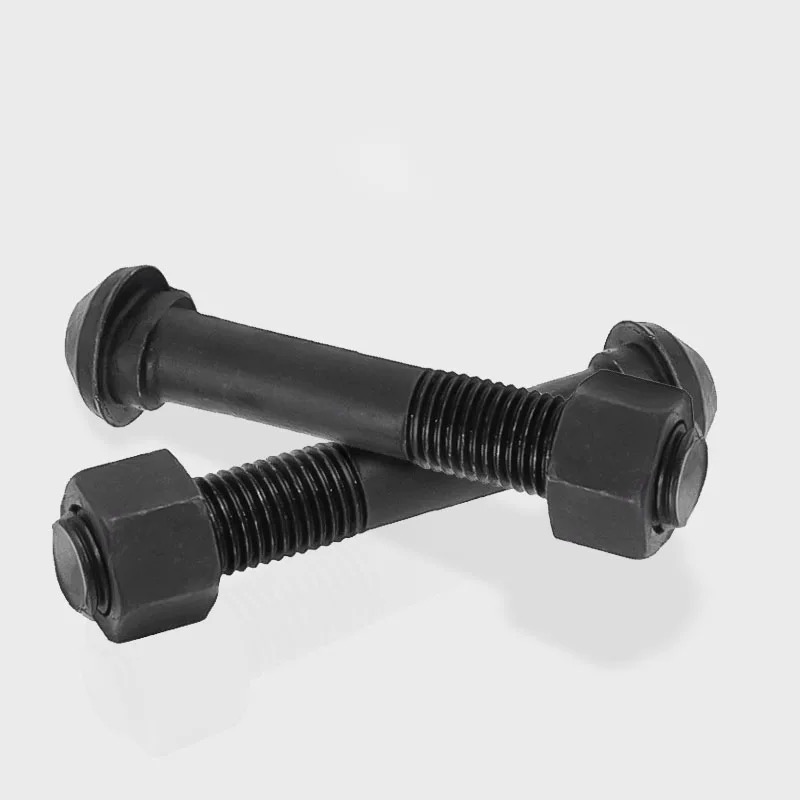
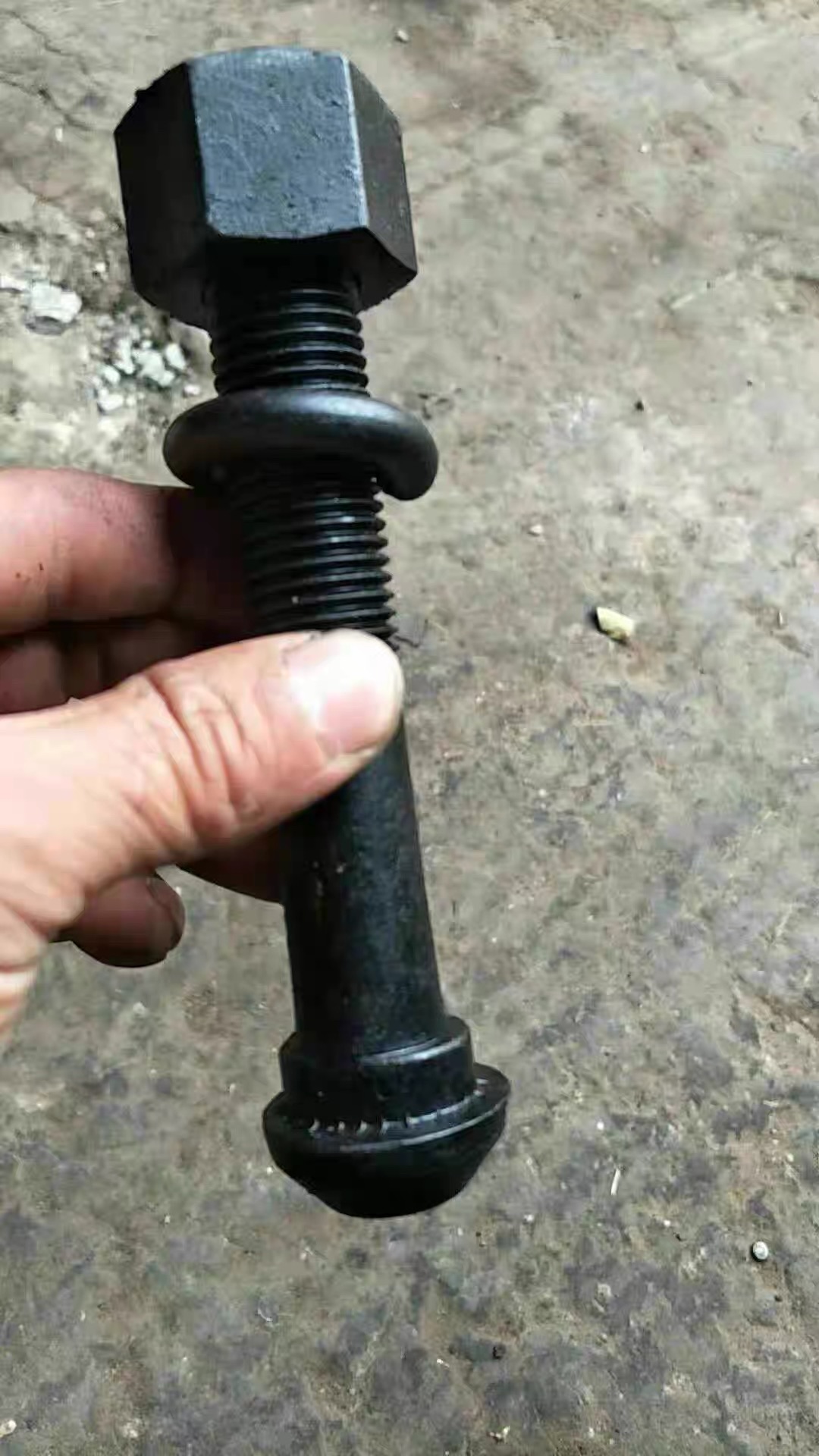
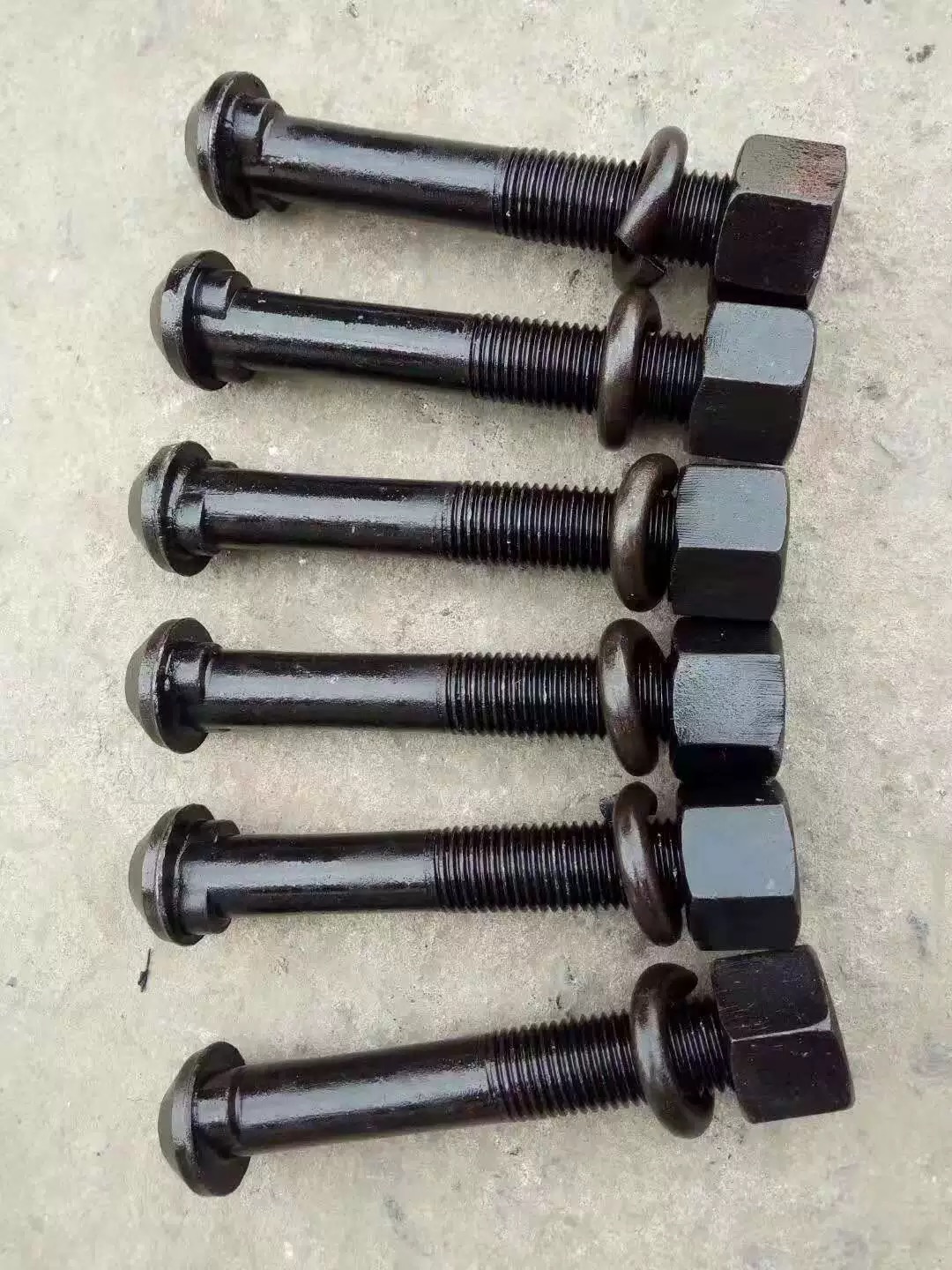
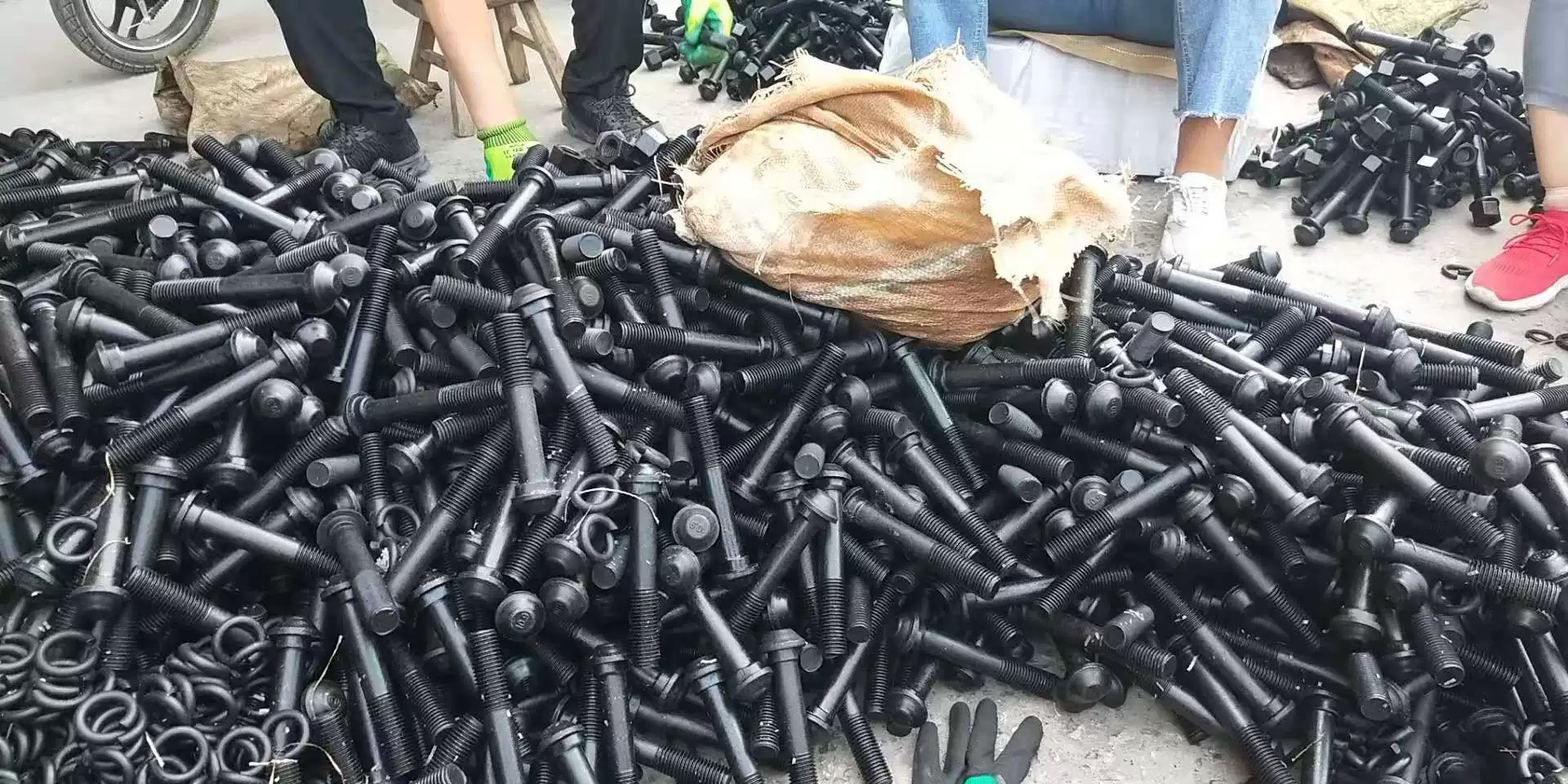
Tail Bolt Uses
1. Tail bolts are mainly used in the metallurgy, coking, and steel industries for track laying, fastening joints between rails.
2. The models and material types of tail bolts include
Φ14×70, Φ16×75, Φ18×90, Φ20×90, Φ22×135, Φ24×135, Φ24×145, Φ24×170, etc. They are generally hot-pressed and formed by friction press, with a thread length of 50mm, and there are also cold-headed types, mostly used for connecting rail joints.
Materials include Q235, 45# steel, and insulated tail bolts, etc.
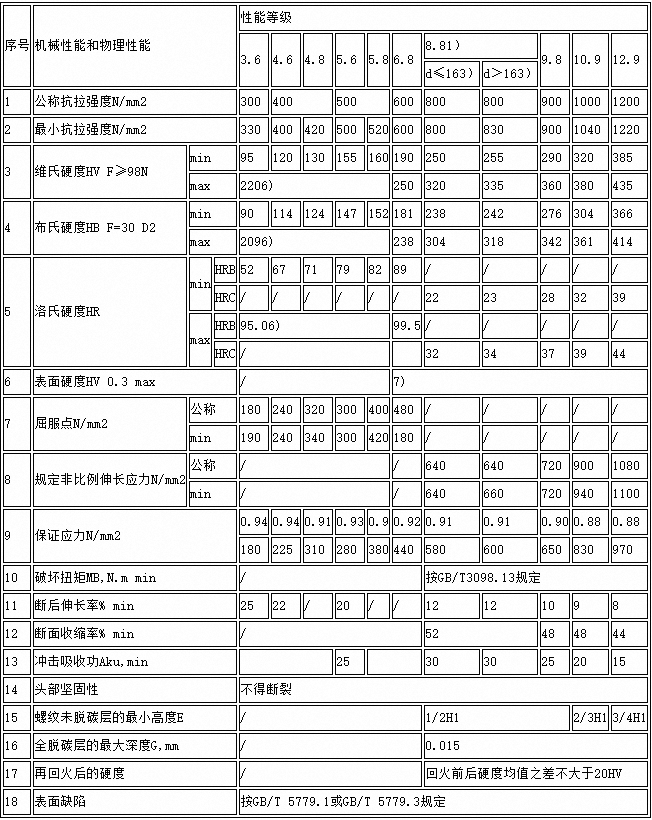
Meaning of Fish Tail Bolt Grades
According to relevant standards, bolt performance grades are divided into more than ten levels, including 3.6, 4.6, 4.8, 5.6, 6.8, 8.8, 9.8, 10.9, 12.9, etc. Bolts of grade 8.8 and above are made of low carbon alloy steel or medium carbon steel and undergo heat treatment (quenching and tempering),
commonly referred to as high-strength bolts, while the others are commonly referred to as ordinary bolts. The bolt performance grade number consists of two digits, representing the nominal tensile strength and the yield ratio of the bolt material. For example:
For a bolt of performance grade 4.6, its meaning is:
1. The bolt material has a nominal tensile strength of 400 MPa;
2. The yield-to-tensile ratio of the bolt material is 0.6;
3. The nominal yield strength of the bolt material is 400 × 0.6 = 240 MPa.
For a high-strength bolt of performance grade 10.9, after heat treatment, the material can reach:
1. The bolt material has a nominal tensile strength of 1000 MPa;
2. The yield-to-tensile ratio of the bolt material is 0.9;
3. The nominal yield strength of the bolt material is 1000 × 0.9 = 900 MPa.
The meaning of bolt performance grades is an internationally recognized standard. Bolts with the same performance grade have the same performance regardless of material or origin. In design, only the performance grade needs to be selected.
The strength grades 8.8 and 10.9 refer to the bolt's shear stress levels of 8.8 GPa and 10.9 GPa, respectively.
For grade 8.8, the nominal tensile strength is 800 N/mm², and the nominal yield strength is 640 N/mm².
Generally, bolts use the "X.Y" format to indicate strength:
X * 100 = tensile strength of the bolt,
X * 100 * (Y / 10) = yield strength of the bolt
(Because according to the marking regulations: yield strength / tensile strength = Y / 10).
Fish Bolts, professionally known as rail joint bolts or fishtail bolts, are core high-strength railway fasteners specially designed to connect rail sections and fasten rail fish plates. They stably splice adjacent rails, effectively resisting heavy impact, vibration and shear force generated by running trains and mining equipment, ensuring track flatness, structural integrity and long-term operational safety. Widely applicable to standard railway lines, heavy-haul rails, industrial mining tracks and urban rail transit systems.
Executive Standards: UIC 864, EN 14396, AREMA, DIN 5903, GB, ISO, covering global railway engineering requirements
Material: Q235, 45# carbon steel, 40Cr alloy steel; high-strength optional 20MnTiB
Strength Grade: 4.8 / 6.8 / 8.8 / 10.9 / 12.9 (8.8 & 10.9 mainstream for heavy-duty tracks)
Size Range: Metric M12–M24; Imperial 1/2"–1-1/8", customizable special sizes
Head Type: Standard hex head, heavy hex head, square head (matches different rail fish plate structures)
Surface Treatment: Black oxide finish, electro-galvanized, hot-dip galvanized (HDG), Dacromet, customized anti-corrosion coating
Supporting Accessories: Matched with professional rail nuts, flat washers and spring lock washers for anti-loosening installation
Superior Load Resistance: High tensile and shear strength, stable bearing capacity, effectively buffers dynamic impact of heavy-load rail transit
Excellent Anti-loosening & Anti-vibration Performance: Precision thread machining, tight fitting with accessories, no loose displacement under long-term vibration
Strong Environmental Adaptability: Multiple anti-corrosion treatments resist humidity, oxidation and harsh outdoor/mining working conditions. Dacromet coating features hydrogen embrittlement-free and superior salt spray resistance, suitable for damp and high-corrosion environments, greatly extending product service life
High Compatibility: Compliant with global mainstream rail standards, perfectly matched with various rail fish plates and track systems
Stable Precision & Easy Installation: Uniform specification tolerance, convenient on-site assembly, reliable track positioning and flatness control
Ideal for standard railway main lines, heavy-haul freight railways, urban subway rail transit, industrial factory tracks, mining engineering tracks and various rail track renovation and maintenance projects. It is an essential fastener to ensure track continuity and operational stability.