
No results found. Please try another keyword
Customized anchor solution for solar mounting foundations.
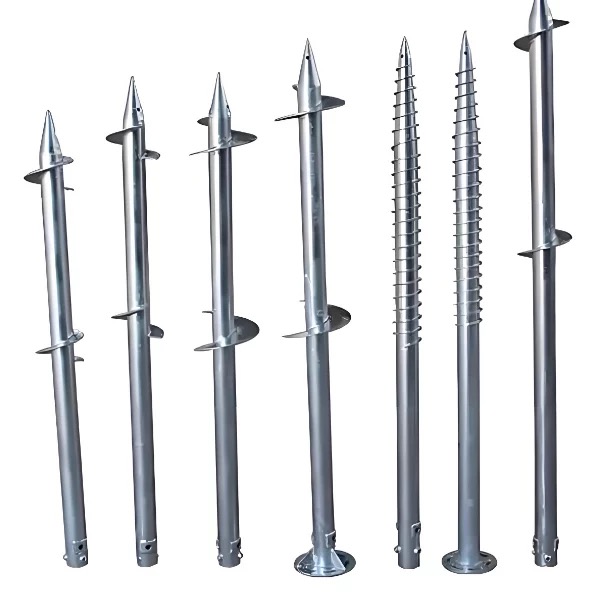
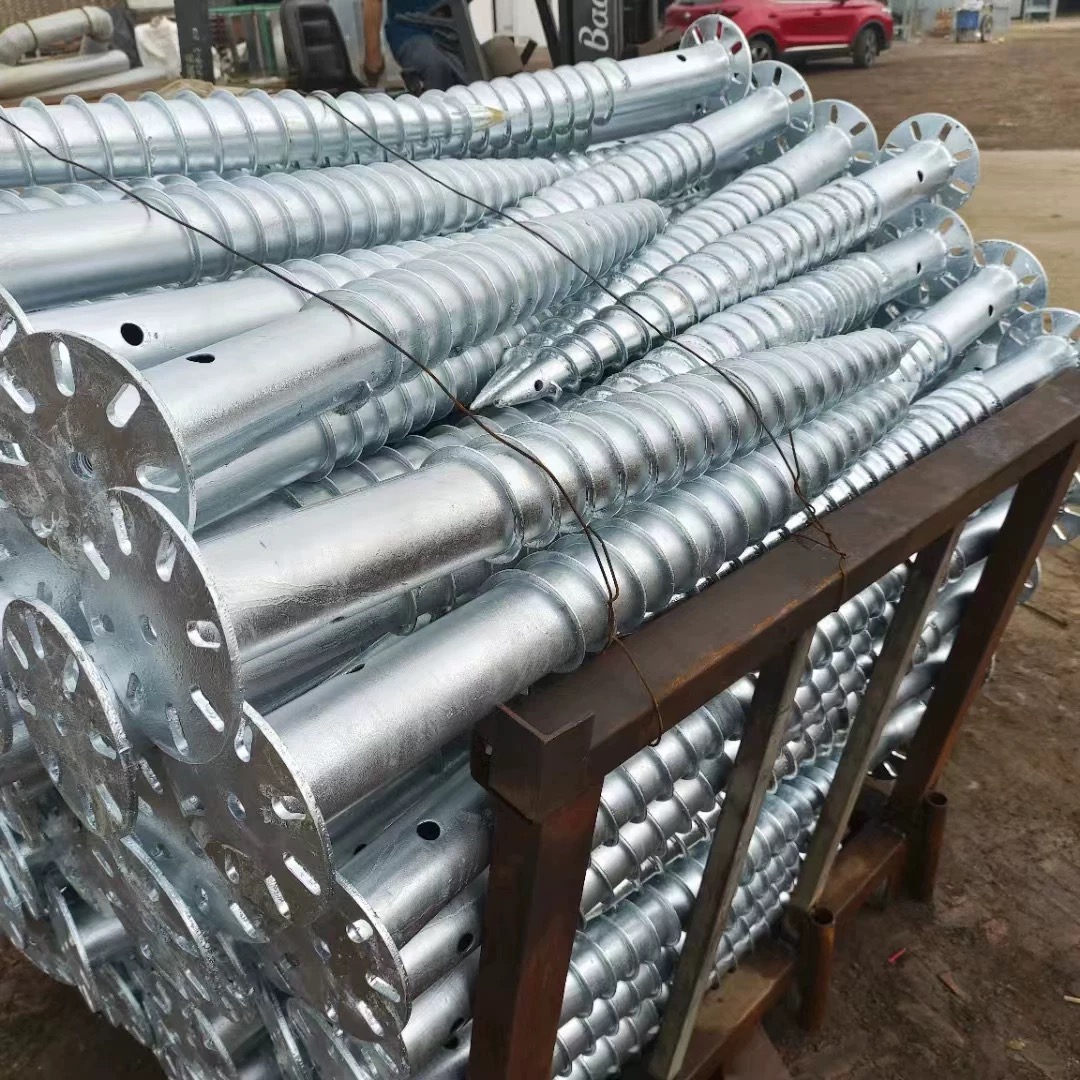
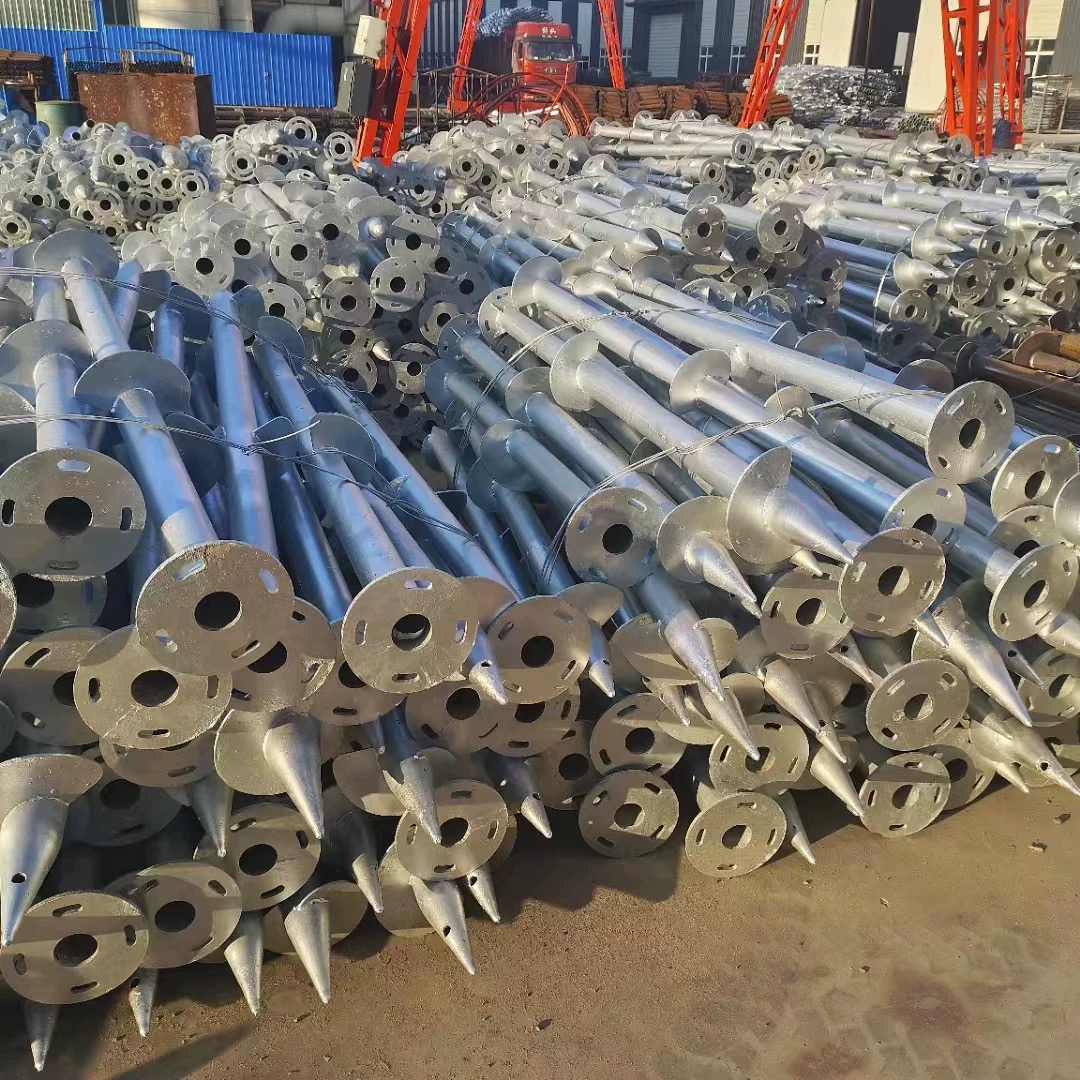
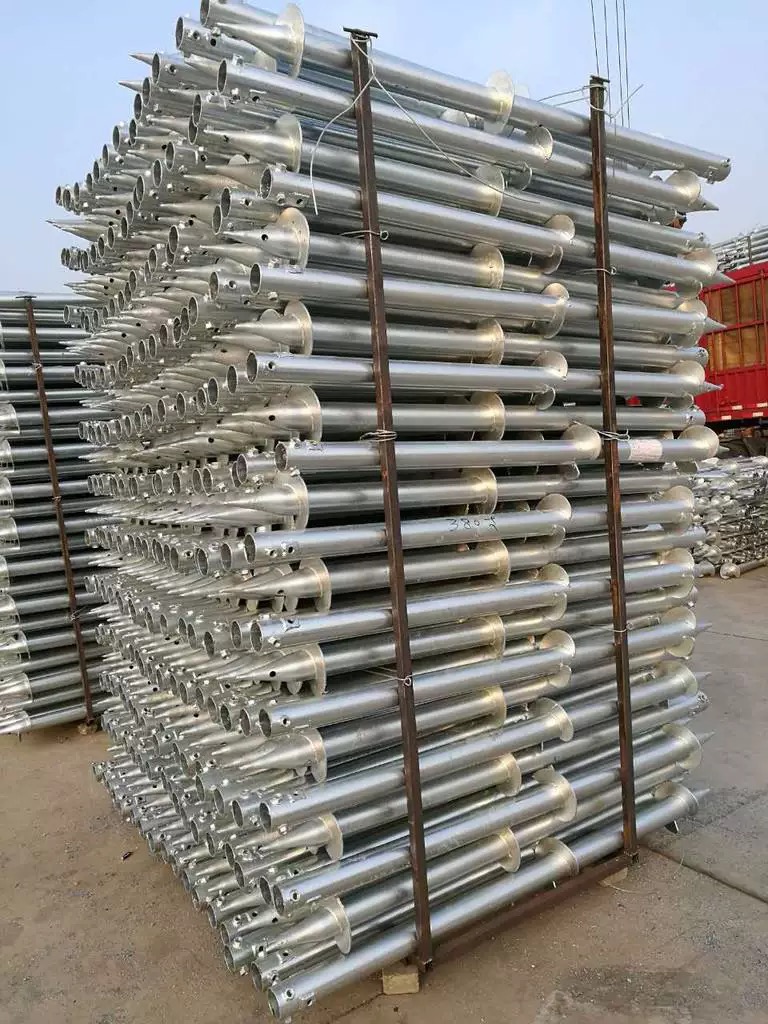
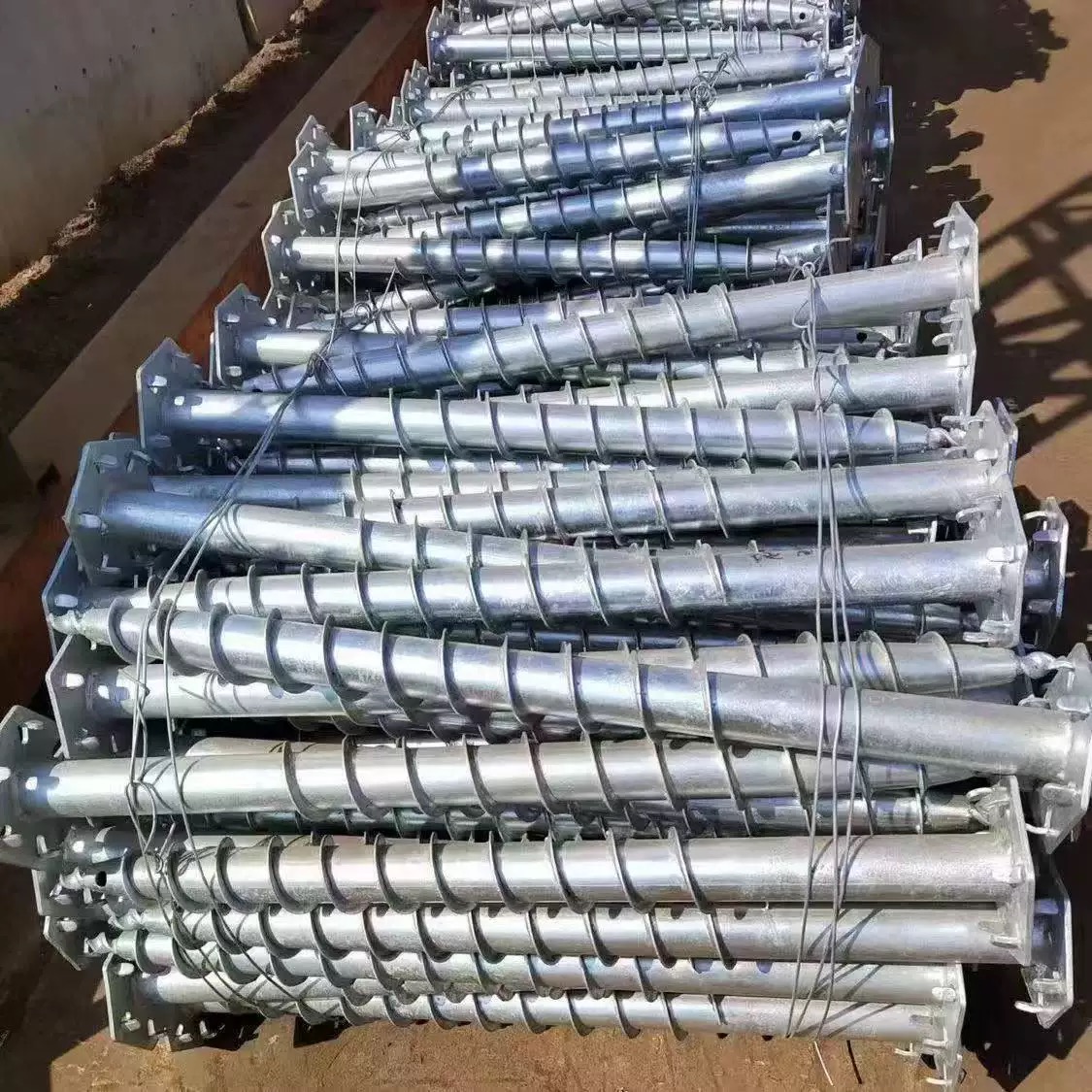
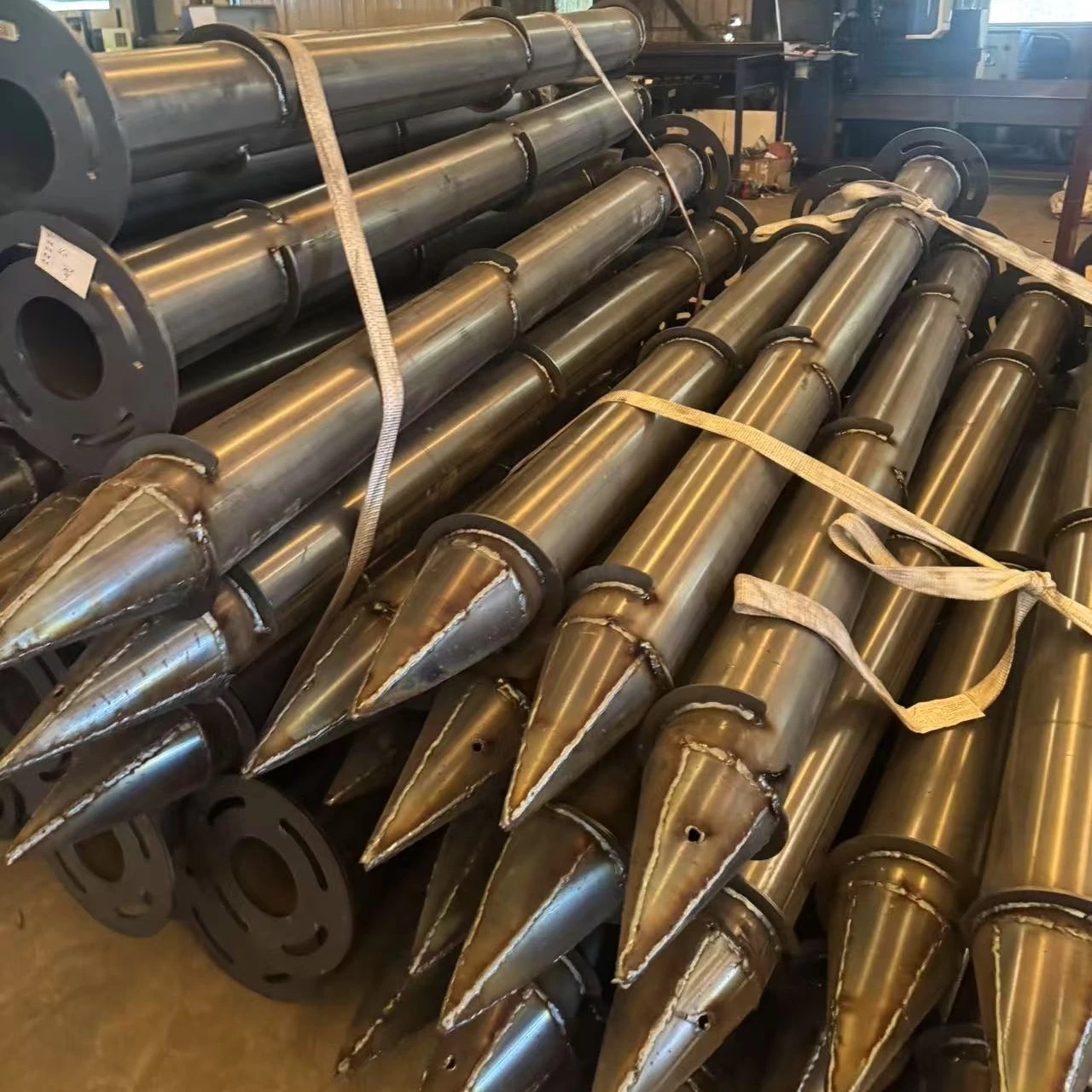
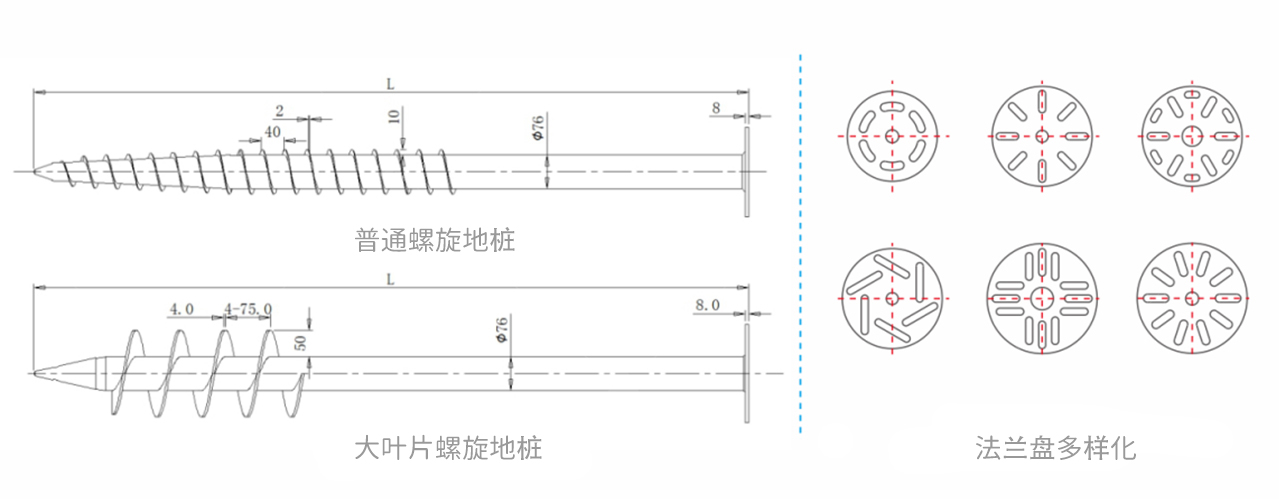
The specifications and models of helical piles vary depending on the usage scenario. Common models include H type, corn type, SS type, etc., with different diameters and lengths.
Common Specifications
Model: The model of a helical pile is determined by different usage scenarios and requirements. Common models include:
H type: Diameter 76mm, Length 3~6m
Corn type: Diameter 89mm, Length 2~4m
SS type: Diameter 102mm, Length 4~6m
Size Parameters: The dimensions of helical piles include diameter, length, pitch, and number of blades, among others. Different models of helical piles vary in these parameters. For example, the diameter of the H type helical pile is usually 76mm, while the corn type has a diameter of 89mm.
Material: Common materials include Q235 steel and Q345B steel. The choice of material affects the load-bearing capacity and applicable scenarios of the helical pile.
Load-Bearing Capacity: The load-bearing capacity of a helical pile is related to its dimensions, material, and other factors. Generally, the greater the load capacity, the wider the range of applicable scenarios.
Photovoltaic Spiral Pile Product Brief (Simplified CE/Product Brochure Version)
I. Product Overview
Photovoltaic spiral piles (spiral ground screws / spiral anchors) are prefabricated steel foundation substitutes for concrete bases, widely applied in ground PV power stations, agro-PV, fishery-PV, fences and outdoor equipment fixation.
Installed by twisting spiral blades into soil without excavation or concrete pouring, they serve as cost-efficient mainstream foundation solutions for global solar projects.
Products adopt Q235 carbon steel pipes, with optional upgraded Q355B high-strength steel. All virgin raw materials ensure stable mechanical performance, firm welding and reliable bearing capacity.
Standard stock sizes and full OEM customization are available for all soil types and international PV load standards. II. Classification & Structure
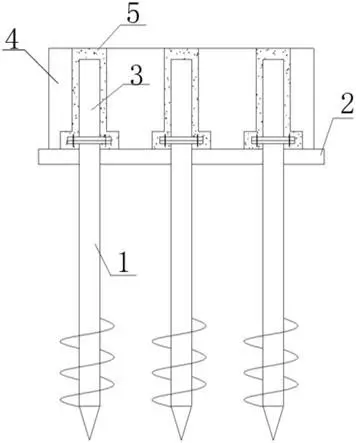
Consisting of steel pipe body, spiral blades, cone pile head and connecting end, spiral piles deliver outstanding uplift and compression resistance with balanced force distribution. Two core types:
1. Large-blade spiral piles: Large single/double spiral blades for heavy load, fit centralized PV plants and large outdoor projects; ends adopt open sleeve or flange connection for PV bracket mounting.
2. Fine-thread spiral piles: Low soil penetration resistance for easy installation, suitable for residential PV, street lamps, billboards and light-duty fixation. III. Production & Quality Standard
Manufactured via cutting, CNC blade forming, full CO₂ welding, grinding and anti-corrosion treatment to eliminate welding defects.
All products pass tensile, compression, side pressure and static load third-party tests to meet long-term outdoor engineering requirements, with installation positioning accuracy within 1.5cm.
Anti-corrosion Treatments
1. Hot-dip galvanizing (HDG, ISO 1461): Zinc layer ≥85μm, 20–30 years service life for buried PV foundations, saline-alkali land and all global soil conditions (recommended).
2. Dacromet: Hydrogen-free embrittlement, good salt spray resistance for small exposed fittings; not for long-term buried main piles.
Custom thickened galvanizing and composite spraying are available on demand. IV. Core Advantages1. No concrete or civil works, lower overall project cost
2. Fast all-weather construction and short project schedule
3. High bearing capacity, stable structure and minimal deformation
4. Eco-friendly, detachable and reusable
5. Adaptable to complex terrains; no on-site welding required for easy installation V. Application ScenariosCentralized ground PV plants, agro/fishery/pastoral hybrid PV, residential distributed solar systems, fences, billboards, street lamp & monitoring pole bases, greenhouses, container buildings, signal equipment and small wind power foundations.
VI. Standard Specifications (Customizable)- Pipe outer diameter: 76/89/114mm; custom 60/140mm available
- Wall thickness: 2.5/2.75/3.0/3.5/4.0mm
- Length: 1200–3500mm; segmented splicing for extra-long sizes
- Spiral blade: Ø200–300mm, thickness 4–6mm
- End types: Open sleeve, flange plate, external thread connection VII. SummaryOur spiral ground anchors feature low cost, fast construction, high stability, reusability and long anti-corrosion lifespan.
Made of genuine raw materials with standardized production and strict QC, they are exported to Southeast Asia, Middle East, Africa, Americas, Russia and other regions, supplying durable, economical one-stop foundation solutions for global PV engineering.